
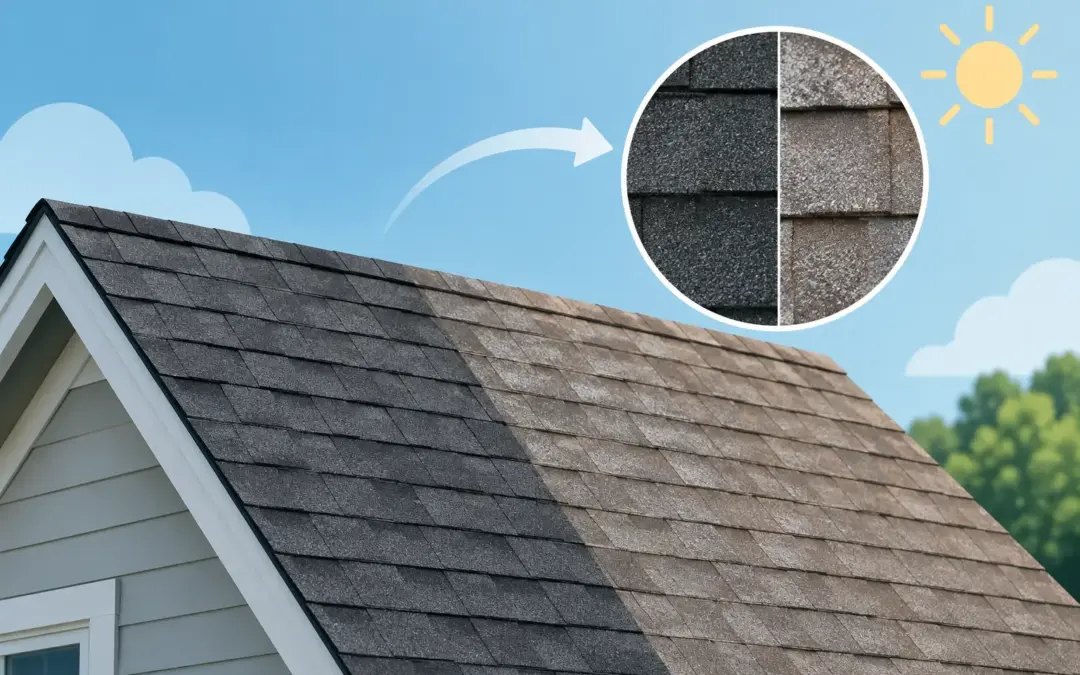
A roof can look merely faded from the driveway while its shingles are becoming less flexible with every hot afternoon. Shingle oxidation is one of the quiet forces behind that change. It does not usually announce itself with an immediate leak, but left unaddressed, it can turn a roof with remaining service potential into a replacement project sooner than necessary.
For homeowners, the key is knowing the difference between a roof that is aging and a roof that is failing. For roofing professionals, that distinction creates an opportunity to offer practical, measurable value before replacement becomes the only responsible option.
What Is Shingle Oxidation?
Asphalt shingles are built to withstand sun, rain, wind, and seasonal temperature swings. Their asphalt layer contains oils that help the shingle remain pliable and support the protective granules bonded to its surface. Over time, ultraviolet exposure and weather draw down those oils. The asphalt becomes drier, harder, and more brittle. That gradual chemical aging process is shingle oxidation.
Oxidation is normal, especially on roofs that receive intense sun exposure. South- and west-facing slopes often show it first. Heat, poor attic ventilation, repeated wet-dry cycles, and years of debris buildup can accelerate the process. A roof in a hot, sunny climate may show signs earlier than a similar roof in a milder region, but every asphalt shingle roof ages this way eventually.
The issue is not simply cosmetic. As flexibility declines, a shingle is less able to expand and contract through daily temperature changes. Its surface can lose color, its edges may become more vulnerable, and the granules that shield the asphalt from UV exposure can begin to release more quickly.
The Visible Signs of Shingle Oxidation
A professional roof evaluation is the right way to determine a roof’s condition, but homeowners can spot several warning signs from the ground and in their gutters. Look for a roof that appears dull, washed out, or uneven in color, particularly on the most sun-exposed slopes. You may also find excess granules in downspouts or at the bottom of gutter runs.
Other signs deserve attention as well:
- Shingles that look dry, chalky, or noticeably faded
- Small cracks, curling corners, or stiff-looking edges
- Bare or thin-looking areas where granule coverage has declined
- Black streaks, moss, or debris that hold moisture against aging shingles
None of these conditions automatically means a roof needs replacement. Granule loss near the end of a roof’s expected life is different from isolated granules shed after a storm, and surface staining is not the same as structural damage. That is why an inspection should consider the whole roofing system, including flashing, penetrations, decking condition, ventilation, and active leaks.
Why Oxidation Can Shorten Roof Life
Granules are more than a color layer. They help protect asphalt from UV radiation and physical wear. When oxidation dries the asphalt binder beneath them, granules may not remain anchored as effectively. More exposed asphalt then receives more sun, which can speed up the aging cycle.
A brittle shingle can also respond poorly to temperature movement. Roofing materials expand in heat and contract as temperatures fall. Healthy shingles have enough flexibility to handle that movement. Oxidized shingles have less give, increasing the chance that small surface defects become larger concerns over time.
This is why waiting for a leak is often the costliest maintenance strategy. By the time water reaches the interior, the problem may involve more than the shingle surface. Underlayment, decking, insulation, and interior finishes can all be affected. Early action gives a homeowner more options and gives a contractor a better opportunity to solve the right problem rather than defaulting to replacement.
Cleaning Alone Does Not Restore an Oxidized Roof
Roof cleaning can remove organic growth, dirt, and dark staining that hide a roof’s true condition. It can improve curb appeal and reduce moisture-holding debris. But cleaning does not replace the oils lost through oxidation, restore flexibility, or rebind loosened granules.
That distinction matters when evaluating a low-cost fix. An aggressive cleaning method can also create problems if it strips granules or places unnecessary stress on already brittle shingles. The right process begins with a condition assessment, uses methods appropriate for asphalt shingles, and avoids treating appearance as proof of restored performance.
Clean. Restore. Protect. Those steps work best as a connected approach. Clean the roof properly, address conditions that contribute to premature aging, and consider restoration when the roof is still structurally eligible.
When Restoration May Be the Smarter Option
Aging does not always equal failure. If an asphalt shingle roof is dry, faded, or showing early-to-moderate granule loss but remains sound overall, restoration may help extend its functional life. The goal is not to disguise serious damage. It is to preserve a roofing asset that still has value.
Roof Shield’s proprietary biodegradable treatment is designed to penetrate weathered asphalt shingles at a molecular level, replenishing flexibility and helping improve granule adhesion. The treatment can revitalize color while helping protect shingles from continued weathering. For qualified roofs, this creates a practical alternative to premature tear-off and replacement, backed by a five-year transferable warranty.
The financial difference can be meaningful. Full replacement includes material costs, labor, disposal, scheduling disruption, and the uncertainty of replacing a roof that may still have usable life. Restoration is generally far less expensive than replacement and can help homeowners redirect budget toward other needed improvements.
There is also an environmental benefit. Replacing a roof before it has reached the end of its functional service life sends a substantial amount of material to the landfill. Extending the life of eligible shingles reduces avoidable waste while maintaining protection for the home.
When Restoration Is Not the Right Call
A responsible restoration provider should be clear about limits. Treatment is not a repair for missing shingles, major storm damage, active leaks caused by failed roofing components, rotten decking, widespread cracking, or a roof that has already reached the end of its serviceable condition.
A roof with compromised flashing, structural concerns, or extensive wind damage needs repair or replacement first. Likewise, a roof near the end of its life may not be an appropriate candidate even if it still looks acceptable from the street. Restoration works best as a proactive decision, not a last-minute attempt to avoid necessary work.
That is why the inspection matters. A credible recommendation should explain what is happening on the roof, what the treatment can reasonably accomplish, and what repairs are needed before any restoration work begins.
A Better Conversation for Homeowners and Contractors
For homeowners, asking about oxidation changes the conversation from “Do I need a new roof?” to “What condition is my roof actually in, and what are my options?” That question can prevent a rushed, replacement-first decision and lead to a plan based on roof condition, budget, and long-term goals.
For contractors and home-services professionals, shingle oxidation creates a clear customer need that cleaning and replacement alone do not fully address. A restoration offering can serve qualified homeowners who want to protect an aging roof, improve its appearance, and delay the expense of replacement. It also provides a differentiated service category that supports recurring inspections, repair conversations, and stronger customer relationships.
The best outcome is not always the same service. Some roofs need replacement. Some need targeted repair. Others need cleaning and restoration while they still have years of useful performance available. The value is in having a proven option for each appropriate condition.
If your shingles are fading, shedding granules, or beginning to look dry and tired, do not wait for a ceiling stain to force the decision. Schedule a qualified roof assessment while preservation is still on the table, and choose the solution that protects both your home and your investment.